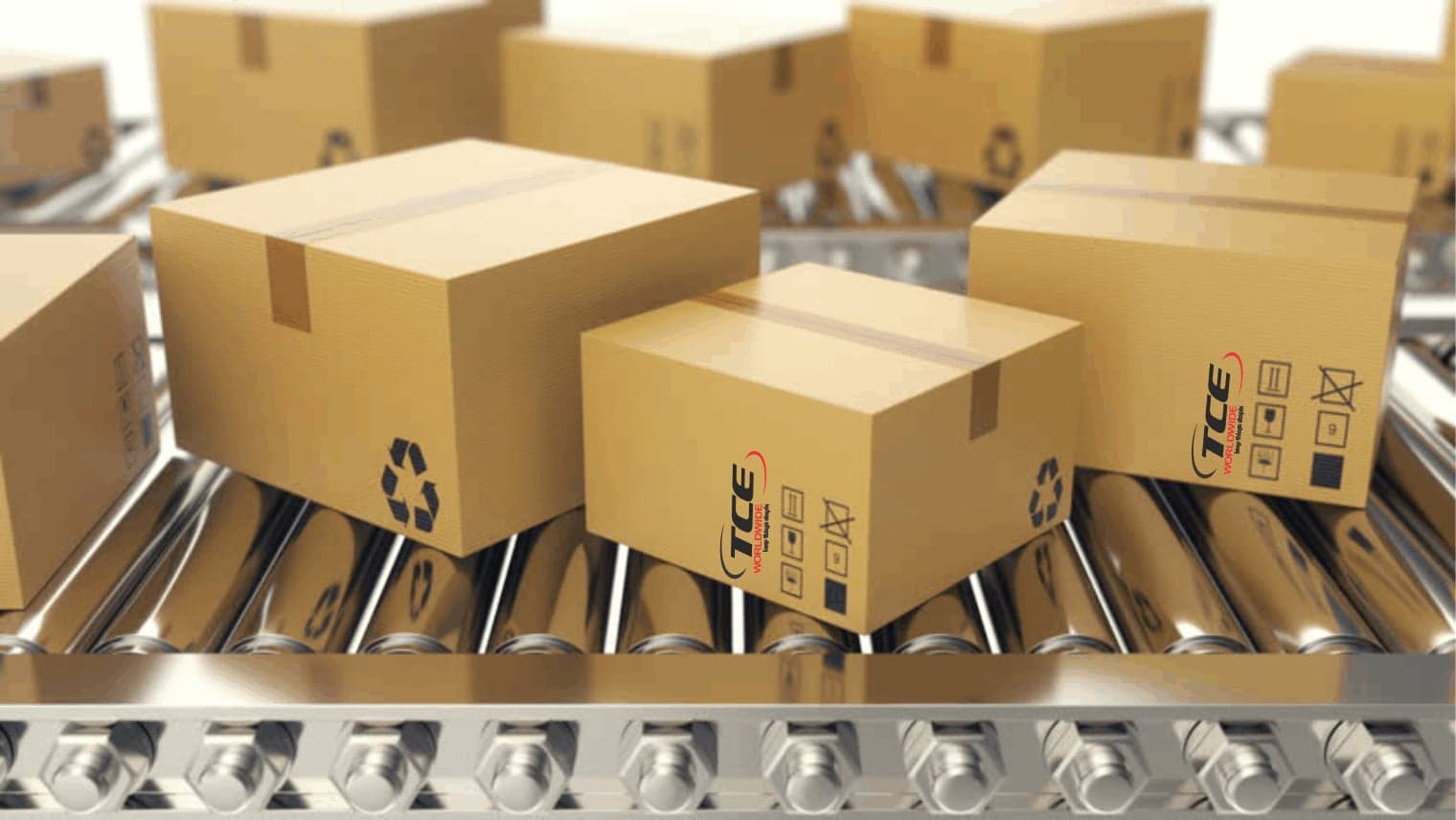
The goods receipt and discrepancy report, known in Romanian as the NIR, is the financial-accounting document used to record the receipt of goods, their entry into inventory management and, where applicable, any discrepancies identified compared with the invoice or goods delivery note.
In a logistics workflow, the document must correspond to what actually happens when the goods are received: checking the products and quantities, identifying any discrepancies, and recording the goods in inventory. The information in the supplier’s documents must therefore match the goods physically received.
What is the goods receipt and discrepancy report?
The goods receipt and discrepancy report is a supporting document used in inventory management. It confirms the receipt of goods and may form the basis for entering them into inventory and recording the transaction in the accounts.
The document also plays an important role when discrepancies are identified at receipt between the goods listed in the supplier’s documents and those actually received. Quantity differences and other inconsistencies identified during the check may be recorded, together with the notes required to clarify the situation.
According to Order No. 2634/2015 of the Minister of Public Finance, the NIR has code 14-3-1A and is part of the financial-accounting documents relating to inventory-type goods.
From an operational standpoint, the NIR links the documents accompanying the goods with the situation actually identified upon receipt. Therefore, the information recorded must correspond to the goods that are actually entered into inventory management.
When is the NIR prepared?
Order No. 2634/2015 requires the goods receipt and discrepancy report to be used in certain situations:
- the goods on the invoice or delivery note belong to different inventory locations or management units;
- the goods are received for processing, custody, or safekeeping;
- the goods are purchased from individuals;
- the goods arrive without delivery documents;
- quantitative or qualitative discrepancies are identified upon receipt;
- the goods enter inventory units where records are kept at the selling price.
If the goods are delivered in batches, a separate form is prepared for each batch. The form is subsequently attached to the invoice or goods delivery note.
Outside the situations provided for by the specific rules, the entity must follow its own procedure regarding the documents required for receiving and recording goods.
Who prepares the goods receipt note?
The NIR is completed by the persons designated by the entity to carry out the receipt process. If a receiving committee has been established, its members inspect the goods and record the result of the inspection in the document.
The warehouse or inventory custodian participates in taking the goods into inventory and confirms the quantities received, in accordance with the internal workflow.
The finance and accounting department uses the document to verify and record the transaction, while the physical inspection of the goods is carried out by the persons designated to receive them, in accordance with internal procedures.
| Person or structure | Role |
|---|
| Receiving committee or designated person | Checks the goods and records the result of the receipt inspection. |
| Warehouse / inventory custodian | Takes the goods into inventory and confirms the quantities received, in accordance with the internal procedure. |
| Finance and accounting department | Checks the document and uses it to record the transaction in the accounts. |
| Administrator or responsible person | Approves the internal procedures regarding document circulation, numbering, and the number of copies. |
Under Accounting Law No. 82/1991, supporting documents entail the responsibility, as applicable, of the persons who prepare, verify, approve, and record them in the accounts.
How to complete the goods receipt note
The NIR must be completed on the basis of the documents accompanying the goods and the inspection performed at the time of receipt. The information entered must be clear and must correspond to the situation actually identified.
1. Complete the entity and document details
Enter the entity name, the NIR number, the date of preparation, and the inventory location or management unit into which the goods will be entered.
2. Identify the supplier and accompanying documents
Enter the supplier, the invoice or goods delivery note and, where the form used contains these fields, the information relating to transport and the representative.
3. Enter the goods received
For each item, enter the information required by the form and necessary for the transaction: the name of the goods, unit of measure, quantity, unit price, and value, as applicable.
4. Check the goods received
The quantity stated on the invoice or delivery note must be compared with the goods actually received, by counting, weighing, measuring, or using the method applicable to the type of goods.
As part of goods receipt, the quantitative and qualitative checks must be correlated with the documents accompanying the goods and with the information required to enter the goods into inventory management.
5. Record any discrepancies
If shortages, surpluses, or other inconsistencies are identified, they must be recorded in the document and accompanied by the information required to identify the situation.
6. Obtain the signatures of the responsible persons
The document is signed by the persons who performed, checked, or confirmed the receipt, in accordance with the entity’s internal procedure.
Which fields should be checked?
| Field | What is entered |
|---|
| Document details | Name, number, date, and inventory location / management unit. |
| Supplier | Supplier name and delivery-document details. |
| Goods | Name, code, unit of measure, and quantity. |
| Values | Unit price and value, when this information is required on the form. |
| Discrepancies | Shortages, surpluses, non-conformities, and other notes. |
| Confirmation of receipt | Names and signatures of the responsible persons. |
How to record a discrepancy upon receipt
Discrepancies are established by comparing the information in the supplier’s documents with the situation actually identified upon receipt.
For example, if the delivery note states 100 boxes and 98 boxes are identified during receipt, the document must show the quantity stated in the supplier’s documents, the quantity actually received, and the identified discrepancy of two boxes.
The discrepancy must be identified at the time of receipt so that it can be clarified before the goods are taken into inventory without reservations. In a warehousing workflow, the quantity identified must be correlated both with the supplier’s documents and with the information recorded in the system.
The note regarding the discrepancy must contain enough information to identify the situation and must be confirmed by the persons responsible for receipt. The internal procedure may also require other information, such as the value of the discrepancy or the persons who took part in the inspection.
Number of copies and document circulation
The number of copies and the circulation of financial-accounting documents are established through the entity’s own procedures. Therefore, a specific number of copies taken from a form or template available online should not be applied automatically.
The internal procedure must establish the persons responsible for preparing, verifying, and approving the NIR, as well as how the document reaches inventory management and is forwarded to accounting.
Financial-accounting documents may be prepared on paper or electronically, subject to the conditions set out in Order No. 2634/2015. In the case of IT systems, it must be possible to identify the persons who initiated, ordered, or approved the transaction.
Correcting and retaining the NIR
The goods receipt note must be completed in such a way that any subsequent changes can be tracked. For documents prepared using IT systems, the rules specify the conditions under which corrections may be made before the document is processed.
The NIR must be retained together with the documents supporting the transaction, in accordance with the archiving rules applicable to the entity. Supporting documents underlying accounting entries are retained under the conditions laid down by accounting legislation.
The NIR in the goods receipt and warehousing workflow
The NIR documents the result of the receipt process, but receipt is only the first stage in a broader process of bringing goods into the warehouse and managing them.
When the goods arrive, the physical goods must be correlated with the accompanying documents. Depending on the established procedure, quantities, the integrity of the goods, and other information relevant to the type of product are checked. Any discrepancies must be identified before the goods are entered into inventory without reservations.
Once receipt is complete, the goods may be recorded in the system and assigned to a storage location. The information resulting from receipt must therefore correspond both to the physical stock and to the data subsequently used to manage it.
As part of its qualitative and quantitative receiving service, TCE Logiplus checks the goods received against the relevant documents, depending on the operations established for the client’s workflow.
Receipt is subsequently linked to stock management and administration so that information about the goods entering the warehouse can be tracked and used in subsequent operations.
Common mistakes when completing the goods receipt note
Situations that may lead to discrepancies between documents, inventory records, and the physical goods include:
- preparing the NIR without physically checking the goods;
- automatically copying quantities from the invoice or delivery note without comparing them with the goods received;
- failing to record shortages or surpluses identified upon receipt;
- recording a quantity in inventory that differs from the quantity actually identified;
- using a form that does not contain the information required under the internal procedure;
- missing signatures of the persons who performed or confirmed the receipt;
- failing to correlate the NIR with the invoice, delivery note, and inventory records;
- failing to correlate the physical receipt, the supplier’s documents, and the data entered into the system.
Identifying discrepancies at the receipt stage helps maintain accurate records of the goods and reduces the need for subsequent clarification regarding the quantities entered into inventory.
The goods receipt note and accurate inventory records
The goods receipt and discrepancy report is intended to document the receipt of goods and, where applicable, any discrepancies identified compared with the supplier’s documents. The completed document must reflect the situation actually identified upon receipt, not merely the information shown on the invoice or delivery note.
In a logistics workflow, correlating the physical goods, receipt documents, and inventory records is important for properly managing the goods after they enter the warehouse. Receipt, entry into inventory, and subsequent stock administration should be viewed as stages of the same process.
To determine the situations in which the NIR is mandatory and how the document should be used, the updated version of Order No. 2634/2015, the applicable accounting legislation, and the entity’s internal procedures should be consulted.
Sources and references
- Order No. 2634/2015 of the Minister of Public Finance regarding financial-accounting documents, Legislative Portal: https://legislatie.just.ro/Public/DetaliiDocumentAfis/173682
- Accounting Law No. 82/1991, republished, Legislative Portal: https://legislatie.just.ro/public/DetaliiDocument/1576
- Accounting Law, version published by the National Agency for Fiscal Administration: https://static.anaf.ro/static/10/Anaf/legislatie/Legea_contabilitatii.htm